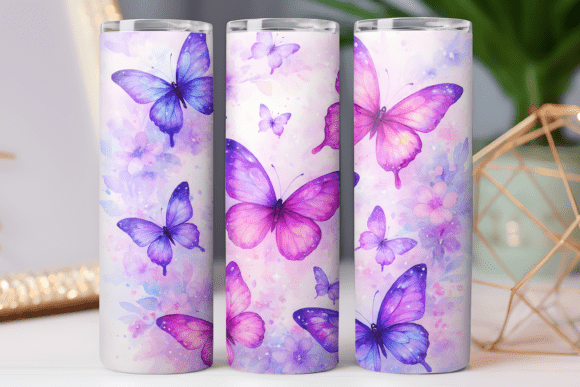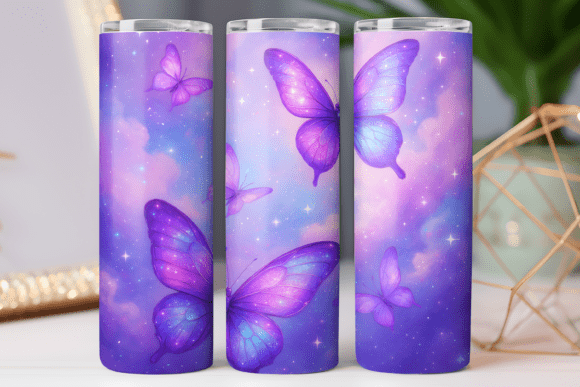
Butterflies 3d Tumbler Wrap Design 20oz
When I sit down to evaluate a new embroidery project asset, my first instinct is always skepticism. The market is flooded with generic motifs, and too often, what looks beautiful on a screen falls apart under the needle. However, when I first laid eyes on the Butterflies 3d Tumbler Wrap Design 20oz, something felt different. It wasn’t just another clipart file slapped onto a template; it had a distinct visual rhythm that suggested it was built for real-world application.
This review isn’t about marketing fluff. It’s about practical design judgment. As a professional designer who frequently creates assets for craft business owners and Etsy sellers, I look at how a design translates from digital space to physical textile. This particular piece, categorized under Tumbler Wraps and Graphics, presents an interesting case study in modern sublimation and embroidery crossover appeal. While the product description clarifies that this is a digital embroidery file intended for sublimation printing on tumblers and is not an SVG or direct machine embroidery file, the visual principles at play are identical to what we consider when selecting high-quality machine embroidery design elements for apparel and accessories.
The First Impression: Mood and Visual Personality
The moment you open the preview of the Butterflies 3d Tumbler Wrap Design 20oz, the mood is immediately established. It feels light, airy, and organic. In a sea of rigid geometric patterns or overly complex floral arrangements, this design offers a breathing room that customers respond to emotionally. The butterfly motif is timeless, but the specific arrangement here suggests movement rather than static placement.
From a layout perspective, the wrap format is designed to encircle a cylindrical surface, which means the composition has to account for curvature. On paper, this can lead to distortion, but the artist has managed to maintain the integrity of the individual elements. The detail level is moderate—enough to be recognizable as butterflies without becoming so dense that it loses clarity when scaled down or printed on smaller surfaces. This balance is crucial for any handmade product aimed at the boutique market.
Real-World Application: Beyond the Tumbler
While the primary use case is clearly for 20oz skinny tumblers, a good designer thinks beyond the obvious. I spent some time mentally mapping out where else this visual identity could thrive. The aesthetic is versatile enough to cross over into several other categories.
- Custom Apparel: Imagine this pattern adapted for a lightweight summer dress or a sheer overlay top. The delicate nature of the butterflies would work beautifully as an all-over print or as a strategic placement on the hem.
- Baby Embroidery: For personalized gift items like muslin swaddle blankets or nursery wall hangings, the soft color palette implied by the "3D" effect (even in sublimation) fits perfectly. Parents gravitate towards designs that feel gentle and whimsical.
- Kitchen Textiles: Tea towels and aprons are staple items for small shop product lines. A wrap design like this could be cropped and repeated on a tea towel set, adding a touch of elegance to everyday kitchen tasks.
- Holiday Embroidery: Depending on the specific colorway available in the download, this could easily transition into spring-themed gifts or Easter decor, which are high-demand seasons for craft fairs and online shops.
However, we must address the elephant in the room: this is a sublimation design, not a stitch file. If you are looking for an applique design or a specific satin stitch outline for your sewing machine, this file will not serve that purpose directly. It is a graphic asset meant to be printed. But understanding its strengths helps us appreciate the underlying design logic that makes it successful, which is valuable knowledge when sourcing or creating your own design assets.
Performance and Practical Considerations
When evaluating any visual asset for commercial use, we have to think about durability and customer satisfaction. Sublimation ink bonds with polyester fibers, making it incredibly durable for drinkware. But how does this translate to brand trust? When a customer buys a tumbler with this wrap, they expect the colors to remain vibrant after dozens of washes. The "3D" aspect mentioned in the title likely refers to shading techniques that create depth, ensuring the image doesn’t look flat or cheap.
For those of us in the apparel decorator space, the lesson here is about texture and contrast. Even though this is a print design, the principles apply to embroidery. If you were to digitize a similar butterfly motif, you would need to pay close attention to stitch density. Too much density in small wings can cause puckering, especially on thin fabrics. The success of this sublimation design lies in its ability to maintain clarity without overwhelming the eye—a quality that every embroidery designer should strive for in their stitch files.
Where to Use It Carefully
No design is universal, and the Butterflies 3d Tumbler Wrap Design 20oz has specific constraints. Because it is sized specifically for a 20oz skinny tumbler, attempting to force it onto a standard 30oz wide-mouth tumbler will result in significant stretching and distortion of the artwork. Always confirm the hoop size equivalent dimensions before applying it to your production workflow.
Furthermore, if you are using this as a reference for creating custom apparel, be cautious with dark fabrics. Sublimation requires white or light-colored blanks to show true color vibrancy. If you are transferring these concepts to embroidery, dark fabrics require a heavy backing stabilizer and potentially a cut-away base to prevent the fabric from showing through the stitches. Thin fabrics, like chiffon or lightweight jersey, also demand careful handling to avoid tear-out during the printing or stitching process.
Designer Notes for Commercial Success
If you are an Etsy seller or running a craft business, presentation is half the battle. Before listing this product, I recommend creating a printable mockup that shows the wrap in context. Show the tumbler on a wooden table, next to a coffee cup, or held by a hand. This helps the buyer visualize the scale and the finish.
Always test the design in black and white. This simple step reveals whether the contrast between the butterfly shapes and the background is sufficient. If the details get lost in grayscale, they will likely get lost in the final print. Additionally, inspect the small details closely. Are the wing veins clear? Is the spacing consistent? These micro-details are what separate a premium finished product from a mass-produced commodity.
Finally, check the licensing terms meticulously. Just because you purchased a digital product does not automatically grant you unlimited commercial rights. Some licenses allow for personal use only, while others permit selling finished goods up to a certain quantity. Confirming these terms protects your reputation and ensures you are operating legally within the commercial embroidery and print-on-demand ecosystems.
In conclusion, the Butterflies 3d Tumbler Wrap Design 20oz is a strong example of thoughtful graphic design tailored for a specific niche. It understands its audience, respects the technical limitations of its medium, and offers a visual appeal that resonates with buyers looking for something fresh yet familiar. Whether you are using it directly for sublimation or studying its composition for future embroidery projects, it serves as a solid foundation for creating attractive, market-ready goods.