Casual Indonesis Batik Traditional Unifo Graphics for Crafts
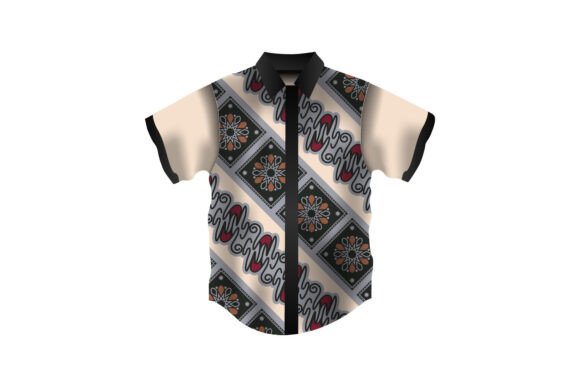
When I first pulled up the Casual Indonesis Batik Traditional Unifo asset, my immediate reaction was one of cautious optimism. As a brand designer who has spent years helping local businesses navigate the tricky waters of visual identity, I know that "traditional" assets often come with a heavy burden of looking dated or overly ornate. However, this specific design strikes a delicate balance. It feels less like a museum artifact and more like a living, breathing element of modern Indonesian heritage. The 3D realistic rendering adds a tactile depth that is rare in digital clipart, giving it a premium weight that translates well to physical materials.
The mood it creates is distinctly warm, artisanal, and grounded. It suggests a brand personality that values craftsmanship, authenticity, and cultural pride without being stiff or formal. For a local business owner—whether you run a boutique clothing store, an organic skincare line, or a specialty coffee roastery—this asset offers a way to signal quality and heritage instantly. It fits beautifully into brands that want to appear handmade, elegant, and deeply rooted in tradition, yet accessible enough for everyday consumers.
Real-World Application: From Digital File to Physical Shelf
To truly understand the value of this graphic design asset, imagine we are working on a rebranding project for a small-batch candle company based in Bali. They sell soy candles infused with local essential oils, packaged in minimalist glass jars. Their current branding is too generic; it lacks soul. Enter the Casual Indonesis Batik Traditional Unifo.
In this scenario, the asset becomes the hero of the packaging design. Instead of slapping a logo on every surface, we use the batik pattern as a decorative brand element on hang tags and thank-you cards. The 3D realism allows it to stand out against simple, matte paper stocks. When a customer picks up the product, the visual hierarchy guides their eye from the clean typography of the scent name down to the intricate, textured batik motif. This subtle detail improves customer trust by suggesting that just as the packaging is thoughtfully designed, the product inside is crafted with care.
This approach works equally well for food labels. Imagine a jar of artisanal jam or a bag of premium rice crackers. Using the asset as a background element or a border frame can elevate the product mockup, making it look significantly more expensive than it is. It transforms a simple commodity into a gift-worthy item, which is crucial for seasonal campaigns or holiday gifting strategies.
Strategic Brand Identity and Visual Hierarchy
One of the biggest challenges in small business branding is maintaining consistency across multiple touchpoints. This asset supports stronger first impressions because its complexity demands attention but doesn't overwhelm when used correctly. By integrating Casual Indonesis Batik Traditional Unifo into your marketing visuals, you create a recognizable visual language.
For social media managers, this means easier content creation. You can use the PNG design versions as overlays on flat-lay photography of your products. The transparency allows you to layer the batik texture over images of raw ingredients, finished goods, or lifestyle shots. This technique adds depth to editorial design layouts, making static images feel dynamic and rich. Whether you are designing web design banners or promotional ads, having a cohesive decorative element helps unify your feed, leading to better product recognition among followers.
The asset also aids in clearer visual hierarchy. Because the batik pattern is visually dense, it should be paired with ample negative space. When placed next to serif fonts for elegance or sans-serif fonts for modernity, the contrast creates a polished marketing visual. It acts as an anchor, grounding the text and preventing the design from feeling floating or disjointed. This is particularly effective for price lists, menus, and flyers where readability is paramount but aesthetic appeal drives sales.
Where the Asset Shines and Where to Exercise Caution
While versatile, no single design asset is a silver bullet. Understanding where Casual Indonesis Batik Traditional Unifo works best is key to professional branding. It excels in:
- Packaging Accents: As borders, corner decorations, or full back-panel designs on boxes and bags.
- Printable Design Materials: Thank-you cards, invoice covers, and branded tape seals.
- Social Media Graphics: Story backgrounds, post frames, and highlight icons.
- Boutique Visuals: In-store signage, window decals, and display dividers.
However, there are areas where this asset requires careful handling. It should not be used for formal corporate branding, where a cleaner, more abstract geometric style is usually preferred. Avoid placing it on very small labels where the 3D details will blur into noise. Similarly, steer clear of crowded product packaging layouts; if your label already contains ingredient-heavy layouts and legal information areas, adding a complex batik element will create clutter rather than clarity.
Luxury minimalist brands should also pause. If your brand ethos is "less is more," this asset might compete with important text rather than complement it. It is best suited for brands that embrace decoration, warmth, and cultural narrative. Additionally, test it carefully on low-contrast backgrounds. The richness of the batik may get lost on light beige or white surfaces unless the colors are deepened.
Practical Designer Notes for Implementation
Before committing to this asset for client work or physical product sales, I recommend running through a few technical checks. First, inspect the SVG or vector editability. Since the files include Ai and Eps formats, you should be able to scale the design infinitely without losing quality. This is crucial for large-format prints like posters or banners. Check the PNG transparency to ensure the edges are clean and don't have jagged artifacts that could ruin a high-end look.
Next, test it on real packaging mockups. A screen view is never the same as a physical print. Print a small sample and hold it under different lighting conditions. Does the 3D effect hold up? Does it look cheap or premium? Also, preview it on small labels to ensure legibility isn't compromised. If you plan to use it alongside other fonts, test it beside script fonts for a romantic feel, handwritten fonts for a casual vibe, and display fonts for bold statements. See how the batik interacts with each typeface.
Finally, confirm commercial licensing. Even though this is a creative marketplace find, using it for business branding, especially for physical product sales, requires a valid commercial license. Ensure you have the rights to reproduce the design on tangible goods. This protects your local business from legal issues and ensures your investment in the asset is secure.
In conclusion, Casual Indonesis Batik Traditional Unifo is more than just a pretty picture; it is a strategic tool for small business branding. When used with intention, it elevates product labels, enhances marketing visuals, and builds a deeper emotional connection with your audience. For any entrepreneur looking to infuse their brand with character, heritage, and professional polish, this graphic design asset is a worthy addition to your toolkit.