Christmas Card Laser Cutting Design: Winter Amp Review
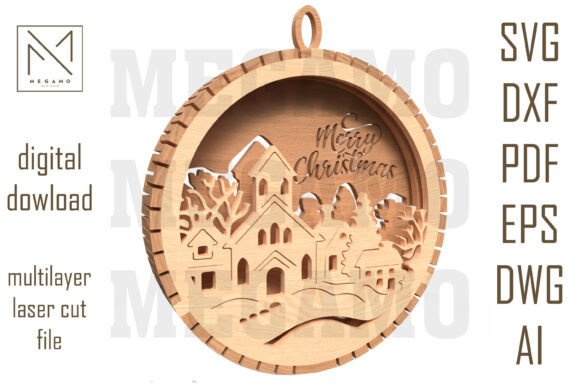
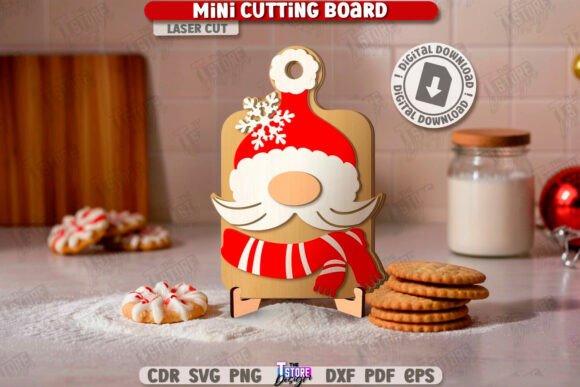
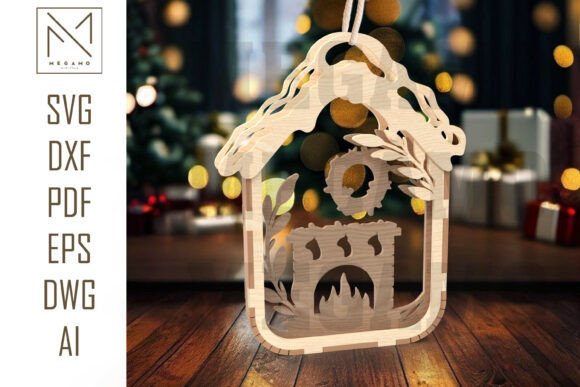
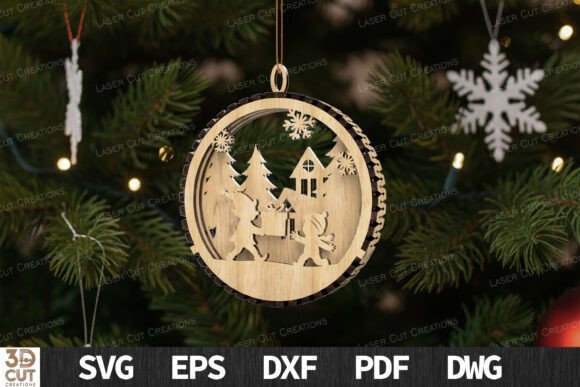
As a digital product creator who has spent years navigating the saturated waters of Etsy and Creative Fabrica, I have learned that seasonal assets are not just about aesthetics; they are about utility. When I first encountered the Christmas Card Laser Cutting Design, my immediate reaction was to look past the festive cheer and analyze its commercial viability. This is not merely a pretty picture; it is a structural asset. The description highlights an svg dxf plan for a Christmas tree laser cut pattern, which suggests a specific niche audience: makers who want to move beyond flat paper crafts into dimensional decor.
The term "Winter Amp" in the category list initially caught my eye. While it might sound like a tech specification, in the context of design, it implies high impact. Does this asset amplify the visual energy of a winter collection? My assessment is yes, but with caveats regarding complexity. This graphic design asset feels less like a simple greeting card and more like a premium craft kit component. It appeals to the serious crafter, the boutique gift maker, and the small business owner looking to offer something tangible rather than just another printable PDF.
Evaluating Visual Personality and Niche Appeal
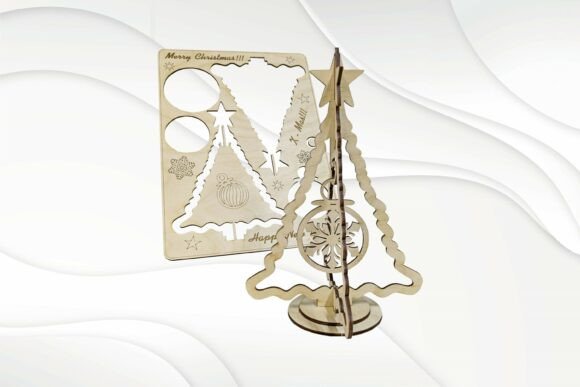
The visual personality of this design leans heavily into the handmade aesthetic. It is not minimal, nor is it overly modern or corporate. Instead, it carries a rustic, decorative weight that resonates with buyers seeking authenticity. The inclusion of a 3D puzzle element elevates it from a standard clipart to a project-based product. This distinction is crucial for sellers. You are not selling a file; you are selling an experience—the satisfaction of building a physical object.
For a creative entrepreneur, this means your target audience is likely someone who values process as much as product. They are the ones who buy Cricut projects to build, not just to print. The design fits well within a brand identity focused on warmth, tradition, and tactile creativity. It avoids the cute, cartoonish tropes that saturate the market, opting instead for a style that feels slightly more elegant and structured. This makes it particularly strong for small business branding in the home decor sector.
Product Applications Beyond the Basic Card
While the title suggests a card, limiting this asset to a single use case would be a mistake. As a seller, I recommend testing this digital product across multiple formats before publishing a listing. Here is how I see it fitting into a broader inventory strategy:
- Laser Cutting Templates: This is the primary use case. The svg dxf plan allows for precise cutting on wood, acrylic, or thick cardstock. Sellers can create kits that include instructions, turning a simple design into a high-value commercial design.
- Printable Wall Art: For those without laser cutters, the vector lines can be scaled up for large-format printing. This works well as part of a seasonal bundle for nursery prints or living room decor.
- Sticker Design: If the detail level permits, this can be converted into die-cut stickers. However, caution is needed here (more on that below).
- Packaging Design: Use the tree pattern as a window insert for gift boxes. This adds a layer of perceived value to any physical product you ship.
- Social Media Graphics: Create engaging posts showing the assembly process. Video content featuring this laser cutting template tends to perform well on platforms like Pinterest and Instagram.
Strategic Product Presentation and Mockups
In the digital marketplace, your thumbnail is everything. A flat image of a line drawing will not convert. To maximize click-through potential, you must visualize the end result. When creating product mockup previews, imagine this design crafted from birch plywood or deep red cardstock. Show it standing on a mantelpiece, surrounded by pinecones and fairy lights.
This approach supports visual storytelling. It helps the customer bridge the gap between a digital file and a cherished holiday memory. Furthermore, consider creating a design bundle. Pair this laser cut pattern with matching flat SVGs for t-shirts or mugs. This increases the average order value and provides customers with a cohesive set of tools for their holiday crafting. Ensure your listing images demonstrate variety—show the raw vector, the assembled 3D model, and the finished decor item.
Where to Use Carefully: Risk Assessment
No asset is perfect, and understanding its limitations is what separates a pro seller from an amateur. There are specific scenarios where this Christmas Card Laser Cutting Design should be used with extreme caution:
- Tiny Sticker Details: If the intricate parts of the laser cut pattern are too small, they will fail when printed as stickers. Always check the minimum line width. If the details are finer than 0.5mm, skip the sticker application.
- Crowded Thumbnails: Complex designs can become muddy at small sizes. If your marketplace thumbnail is tiny, the viewer might just see a black blob. Simplify the preview or zoom in on the most recognizable feature.
- Low-Resolution Print Products: Never rasterize this vector prematurely. If you need a PNG design for sublimation, ensure it is exported at 300 DPI or higher. Blurry edges on a laser cut pattern look unprofessional.
- Weak Contrast Backgrounds: Avoid placing dark vector lines on dark backgrounds in your previews. Ensure clean cutting lines are visible against light, neutral backdrops to emphasize precision.
Practical Seller Notes for Implementation
Before uploading this asset to your shop, run through this technical checklist. It saves time and prevents negative reviews.
File Integrity and Organization: Verify that the SVG paths are closed and clean. Inspect the SVG cut quality by opening it in your preferred software (Silhouette Studio, Cricut Design Space, or Adobe Illustrator). Remove any stray nodes. Organize your files clearly for customers—provide both the layered SVG and a flattened PNG. Clear organization builds customer trust.
Typography Pairing: When designing accompanying cards or labels, choose fonts that complement the structural nature of the laser cut. A serif font adds elegance, while a bold sans-serif ensures readability. Avoid script fonts that compete with the intricate tree pattern. The goal is visual hierarchy; the design should remain the star.
Commercial Licensing: This is non-negotiable. Confirm the commercial license terms explicitly. Can you sell unlimited physical items? Are there restrictions on digital resale? Misunderstanding these terms can lead to account bans. Assume that if it is a clipart or illustration meant for resale, you must adhere strictly to the provider's guidelines.
Testing Protocol: Do not rely solely on screen previews. Order a test print or cut a sample yourself. Check how the design holds together physically. Does it require glue? Is it stable? Your feedback loop should include real-world testing. This hands-on approach allows you to write accurate product descriptions, such as noting whether the Christmas Gift Card version requires additional support structures.
Final Verdict for Digital Creators
The Christmas Card Laser Cutting Design is a versatile tool for the savvy digital seller. It moves beyond the generic "holiday sale" vibe and taps into the growing demand for DIY craft kits and personalized decor. By treating it as a multi-use asset rather than a single-image file, you can expand your reach across Etsy, Shopify, and print-on-demand platforms.
Remember, success in the creative marketplace comes from solving problems for your buyers. This design solves the problem of "how do I make something special this Christmas?" By providing clear files, professional mockups, and thoughtful bundling strategies, you position yourself as an expert resource. Test it, refine it, and integrate it into your seasonal collections with confidence. It is a solid addition to any library of design assets aimed at the festive season.