Lily Multilayer Laser Cut Files for Wall Decor and Crafting
I have spent years in the trenches of the handmade economy, moving from local craft fairs to managing a bustling Etsy shop. One thing I have learned is that the difference between a hobby project and a sellable product often comes down to the quality and versatility of your design assets. Recently, I tested out the Lily Multilayer Laser Cut Files with a specific goal in mind: creating a cohesive line of wall decor and decorative accents for my spring collection. This review breaks down how this asset holds up in a real-world small business workflow, focusing on practical application rather than just aesthetic appeal.
First Impressions and Visual Personality
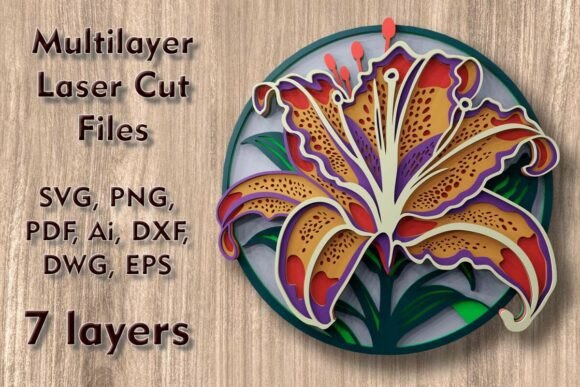
When you first open the Lily Multilayer Laser Cut Files, the immediate feeling is one of refined elegance. The design does not scream for attention; instead, it whispers sophistication. It strikes a balance between delicate and structural, which makes it incredibly versatile for modern home decor. For a crafter looking to attract buyers who appreciate clean lines and premium finishes, this file delivers. The style leans towards feminine and cozy, but with enough geometric structure to fit into minimalist or boho-chic aesthetics. It feels like a high-end piece that could easily sit in a boutique showroom rather than a garage sale table.
The visual weight of the design is substantial enough to hold its own on larger products but detailed enough to reward close inspection. This duality is crucial for handmade sellers because it allows you to market the same asset across different price points. You can sell a smaller, simplified version as an affordable printable, or use the full multilayer complexity for a premium laser-cut wooden piece.
Technical Specifications and Material Considerations
From a technical standpoint, the dimensions are generous. The Lily Multilayer Laser Cut Files SIZE 240 x 240 mm 9.45 x 9.45 in provides a solid canvas for most standard framing sizes or medium-sized decor items. This size is easily increased if you need to scale up for large statement pieces, which is a huge plus for wall decor applications. However, there is a critical warning for those scaling down: be careful in reducing the design, consider thin elements. When you shrink intricate vector paths, they can become too fragile for certain materials or even invisible when printed at low resolutions.
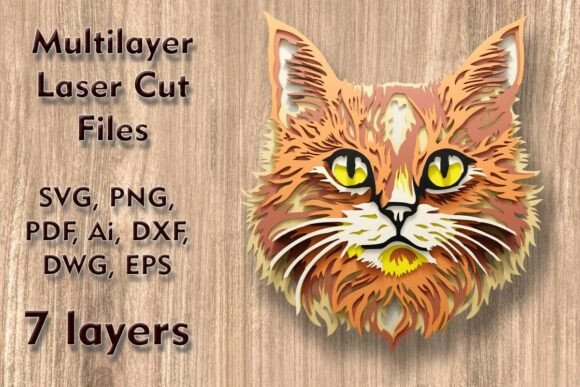
The asset includes Number of layers 7, which adds depth and dimensionality. This layering is particularly effective when working with MATERIALS Plywood or other rigid substrates where shadow play enhances the visual impact. While the description mentions plywood, these files are digital assets, meaning their utility extends far beyond wood. Whether you are using SVG design files for vinyl cutting or PNG design files for sublimation, the layered structure allows for creative manipulation. You can separate the layers to create color-blocked effects or keep them stacked for a unified silhouette.
Real-World Crafting Applications
In my testing, I found that the Lily Multilayer Laser Cut Files shine brightest in projects that benefit from structural integrity or high-resolution detail. Here is how I integrated this graphic design asset into various production workflows:
- Wall Decor and Laser Cutting: As the primary category suggests, this is where the file excels. Using a CO2 laser on plywood or acrylic, the seven layers create a stunning 3D effect. The clean cuts required for laser cutting are handled well by the vector paths, resulting in smooth edges without excessive burning or debris.
- Sublimation Design: For tumbler wraps and mugs, the high resolution ensures that the details remain crisp. When converting this illustration to a sublimation design, the lack of muddy gradients means the colors pop against both white and dark backgrounds.
- Sticker Design and Vinyl Cutting: If you are producing vinyl decals for laptops or water bottles, the clean lines translate perfectly. However, for very small sticker sizes, I recommend simplifying the layout. Intricate inner cutouts can sometimes detach during weeding if the material is too thin.
- Printable Design and Digital Products: This asset works beautifully as a printable design for instant download shops. Buyers can print it on cardstock for greeting cards, gift tags, or planner stickers. The multilayer aspect can be simulated in PDFs by providing separate pages for each layer, allowing customers to assemble their own paper crafts.
Strategic Use Cases for Handmade Businesses
To maximize the return on investment for this design bundle, consider how it fits into your broader product mockups and seasonal collections. It is ideal for creating personalized items such as wedding signage, nursery art, or corporate gifts. The elegant nature of the Lily design makes it suitable for professional settings, expanding your potential customer base beyond just hobbyists.
For small business branding, this asset can serve as a logo element or a recurring motif in your packaging. Imagine the seven-layer concept used in die-cut thank-you cards included with every order. It reinforces brand identity through consistency and quality. Additionally, it pairs exceptionally well with serif font styles for a classic look or script fonts for a more romantic vibe. Avoid pairing it with overly playful handwritten fonts unless you are aiming for a specific contrast that might clash with the design's inherent elegance.
Technical Checks Before Production
Before rushing to produce batches for a craft fair or listing on a creative marketplace, I strongly advise running through a strict quality control checklist. First, check if SVG lines are clean. Zoom in to 400% in your vector software to ensure there are no overlapping nodes or stray points that could cause cutting errors. Second, preview PNG transparency. Even if you are using vector files, having a transparent background preview helps you visualize placement on different product mockups.
Confirm resolution for sublimation by checking the DPI of any rasterized versions. Aim for 300 DPI minimum to avoid pixelation. Test colors before printing, especially if you are using specialized inks or paints. Finally, confirm commercial licensing before using it for customer orders. Ensure that the license allows for physical goods resale, not just digital distribution. Understanding the terms protects your handmade business from legal issues and ensures you can scale your operations confidently.
Where to Exercise Caution
While this is a robust asset, it is not a one-size-fits-all solution. There are scenarios where it should be used carefully. Avoid placing it on very small cutting details where the intricacy might get lost. Crowded compositions can overwhelm the viewer, so give the design plenty of breathing room on your product surface. Low-contrast colors may hide the subtle layering effects, so opt for bold or distinct color palettes. In layered vinyl projects, ensure that the adhesive quality matches the complexity of the design to prevent peeling over time.
Final Verdict for Crafters and Sellers
The Lily Multilayer Laser Cut Files represent a high-quality addition to any crafter’s library. Its combination of elegant aesthetics, scalable dimensions, and multi-format compatibility makes it a valuable tool for diverse product lines. Whether you are creating intricate laser-cut wall decor, simple printable designs, or premium sublimation products, this asset supports a professional finish. By respecting its technical limitations and leveraging its strengths, you can create compelling handmade products that resonate with buyers and elevate your brand. For anyone serious about growing their Etsy product line or preparing for a major craft fair season, this design asset offers significant potential for success.