Mega 4th of July Sublimation Clipart Review
As a designer who spends more time digitizing and testing stitches than I care to admit, I approach every new asset with a healthy dose of skepticism. The market is flooded with generic patriotic graphics, so finding something that bridges the gap between "sublimation-ready" and "embroidery-friendly" is rare. That is exactly why I pulled Mega 4th of July Sublimation Clipart into my workflow this week. My goal was simple: determine if these military-inspired graphics can hold up under the needle when applied to real-world products like custom apparel, tote bags, and boutique merchandise.
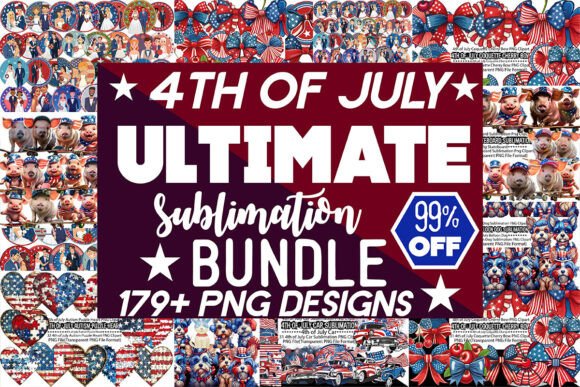
The product description highlights a stellar collection of over 179 high-resolution PNG files at 300dpi. While it is categorized under Freebies and Graphics, the sheer volume suggests a comprehensive design system rather than a single clipart image. For the embroidery designer, the shift from sublimation (ink on fabric) to machine embroidery (thread on fabric) requires a mental translation of how lines, fills, and details will behave. Here is my practical breakdown of how this bundle performs in actual production scenarios.
First Impressions: Military-Inspired Aesthetic
When you open the folder, the mood is distinct. Unlike the typical chaotic mix of flags, eagles, and fireworks often seen in holiday collections, this bundle leans into a structured, military-inspired theme. This immediately signals a specific demographic: those looking for rugged, durable, or heritage-style aesthetics. It feels less like a fleeting trend and more like a staple for year-round patriotic wear, which is a significant plus for small business owners stocking inventory.
Visually, the shapes are bold. In embroidery, complexity is the enemy of clarity. If a design has too many thin, intersecting lines, it risks tangling or losing definition after washing. These graphics appear to rely on strong silhouettes and clear geometric elements. This makes them naturally suited for techniques like applique design, where the background fabric provides the fill, or for designs that utilize heavy satin stitch outlines to define the shape against the garment.
Real-World Application: From Screen to Stitch
I tested the concept of using these assets for a few common handmade product categories. The first scenario was a custom embroidered patch for a denim jacket. Because the graphics are military-inspired, they translate beautifully to patches. The rigid structure of the design allows for clean satin stitching around the edges, creating a professional finish that stands up to wear and tear. For an Etsy seller, this is a high-value item because patches allow customers to personalize jackets, hats, and bags without committing to full-shirt embroidery.
Another strong use case is sweatshirt embroidery. The fall and winter seasons see a spike in demand for patriotic hoodies and crewnecks. Using Mega 4th of July Sublimation Clipart as the base for a chest logo or a back print offers a modern twist on traditional holiday wear. The high resolution of the source files ensures that when you trace or digitize the outline, you retain crisp corners. However, keep in mind that dense fill stitch areas might feel stiff on thin cotton blends, so choosing the right fabric weight is crucial for comfort.
I also considered baby embroidery items, such as onesies or burp cloths. While the military theme is bold, it can be softened with pastel thread colors or scaled down significantly. A small, simplified version of one of these graphics on a baby’s shoulder creates a unique, gender-neutral gift option. It moves away from the cliché stars-and-stripes patterns and offers something fresh for parents looking for distinctive handmade gifts.
Where to Exercise Caution
No design is perfect for every surface, and being honest about limitations is part of responsible design advice. There are specific situations where Mega 4th of July Sublimation Clipart might struggle if not handled correctly.
- Small Hoop Sizes: If a design element contains intricate internal details, shrinking it to fit a 4x4 hoop may cause those details to merge into a blob during stitching. Always inspect small details before finalizing your hoop size.
- Textured and Stretchy Fabrics: Embroidering on thick fleece, terry cloth, or highly stretchy jersey can distort the geometry of the graphic. The tension required to pull the thread through these fabrics may warp the intended shape. Use a proper stabilizer and consider cutting back stitch density for these materials.
- Dense Stitch Areas: Military graphics often feature solid blocks of color or heavy stripes. Converting these entirely to fill stitch can result in a heavy, inflexible finished product. It is often better to use running stitch for fine lines or leave negative space to reduce bulk.
- Curved Surfaces: Applying these designs to caps or curved hat fronts requires careful placement. The rigid nature of some of these graphics may not follow the curve of the hat naturally, potentially requiring manual adjustment in your digitizing software.
Technical Notes for the Embroidery Designer
Before you load this into your machine, there are several practical steps to ensure success. First, always test the design on scrap fabric that matches the weight and texture of your final project. This reveals issues with thread breakage, puckering, or tension imbalances that you cannot see on screen.
Check your thread color contrast carefully. Since these are sublimation graphics originally designed for ink, they may rely on subtle shading that does not translate well to thread. Convert your mockups to black and white to see if the design still reads clearly. If the details disappear in grayscale, you will need to simplify the design or increase the contrast in your digitizing software.
Review the stitch density. High-resolution PNGs do not automatically equate to optimal stitch counts. You may need to adjust the density settings in your software to prevent the fabric from becoming too stiff or the backing from showing through. Additionally, confirm whether the design works for both personal and commercial projects. Licensing terms vary widely even within freebie bundles, so verify your rights before selling finished items or digital embroidery files derived from this collection.
Final Verdict on Visual Appeal and Value
From a branding perspective, Mega 4th of July Sublimation Clipart offers a cohesive look that enhances brand consistency. For craft business owners, having a unified style across different products—whether it is a tea towel, a pillow cover, or a kitchen towel—creates a professional appearance that builds customer trust. Buyers recognize quality, and a clean, well-executed embroidery job speaks volumes about the maker’s skill.
The versatility of the 179 files means you can create a wide range of products without designing from scratch each time. This efficiency is valuable for seasonal sellers who need to turn around holiday merchandise quickly. Whether you are creating printable mockups for your online store or producing physical goods for a craft fair, these graphics provide a solid foundation.
In conclusion, this bundle is a strong asset for designers willing to put in the necessary digitization work. It is not a plug-and-play solution for every machine, but rather a high-quality source material that rewards careful handling. By understanding its strengths in bold, military-inspired themes and respecting its limitations on delicate fabrics, you can create stunning, professional-grade embroidered products that stand out in a crowded market. For the serious maker, the effort to adapt these graphics pays off in higher perceived value and repeat customers.